Hyperpigmentation
Hyperpigmentation is a broad term used to describe patches of skin that have darkened due to melanin production during the healing process after the skin has experienced some type of trauma like cuts, sun damage or spots. Hormonal changes can also lead to pigmentation so if you’re experiencing pregnancy or going through menopause you may notice more pigmentation than usual - but don’t worry this is completely normal.

The colour of your pigmentation will differ depending on your skin tone so it can look red, purple or brown. The darker your skin tone the more prone to hyperpigmentation you will be. This is because darker skin tones naturally have more melanin producing cells so the production of it is faster when needed to protect the skin.
If you notice small marks left on your skin after a breakout then this is a form of hyperpigmentation. Although they are called scars these aren’t permanent and will generally fade by themselves. If they appear indented or pitted then this will make it trickier to remove but it’s still possible however, you may need to talk to a dermatologist to explore chemical peels or laser treatments. The best way to prevent acne-scarring is to not pick your spots as this worsens the pigmentation left behind.
Best Ingredients to Help Fight Hyperpigmentation.
Hyperpigmentation can be prevented by introducing ingredients which protect the skin from sun damage and other environmental damage. There are then other ingredients which help to fade pigmentation after it’s been triggered.
Sunscreen
UV damage causes hyperpigmentation and can exacerbate pigmentation caused by other means so protecting your skin from UV is essential.
Browse ProductsVitamin C
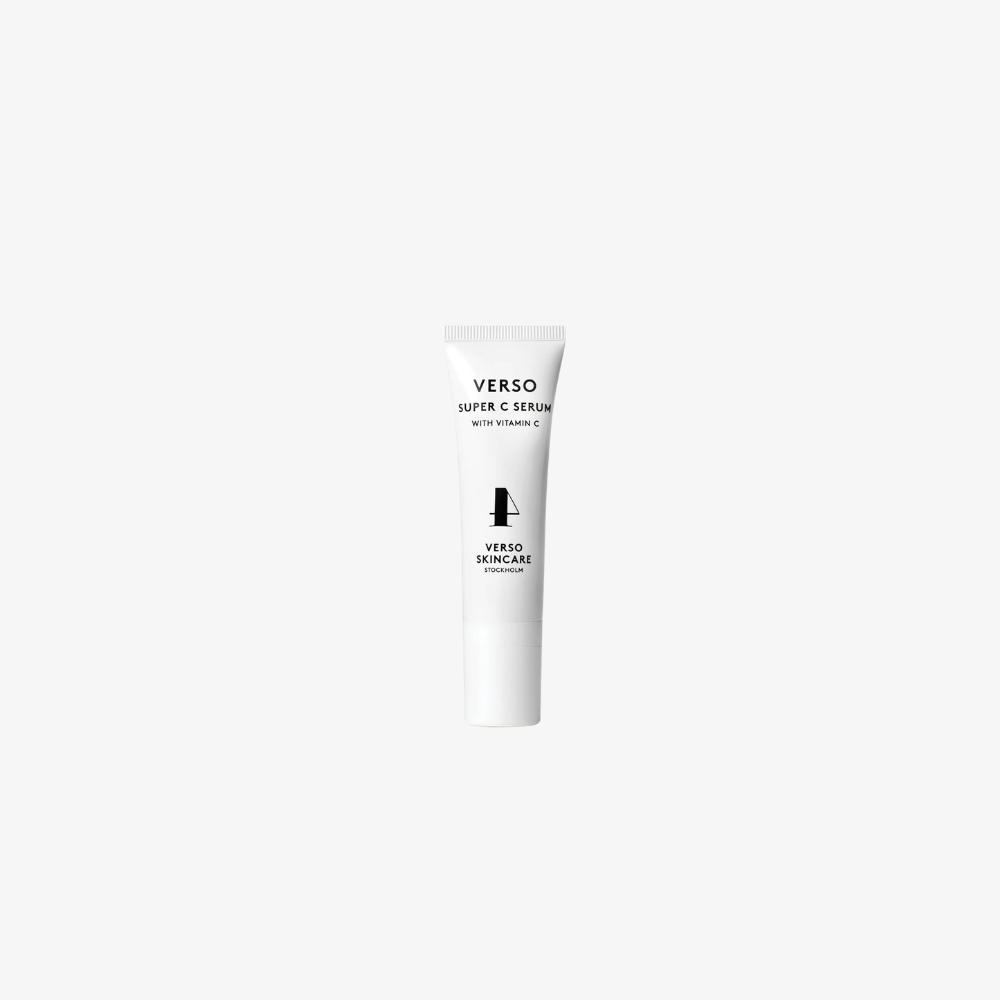
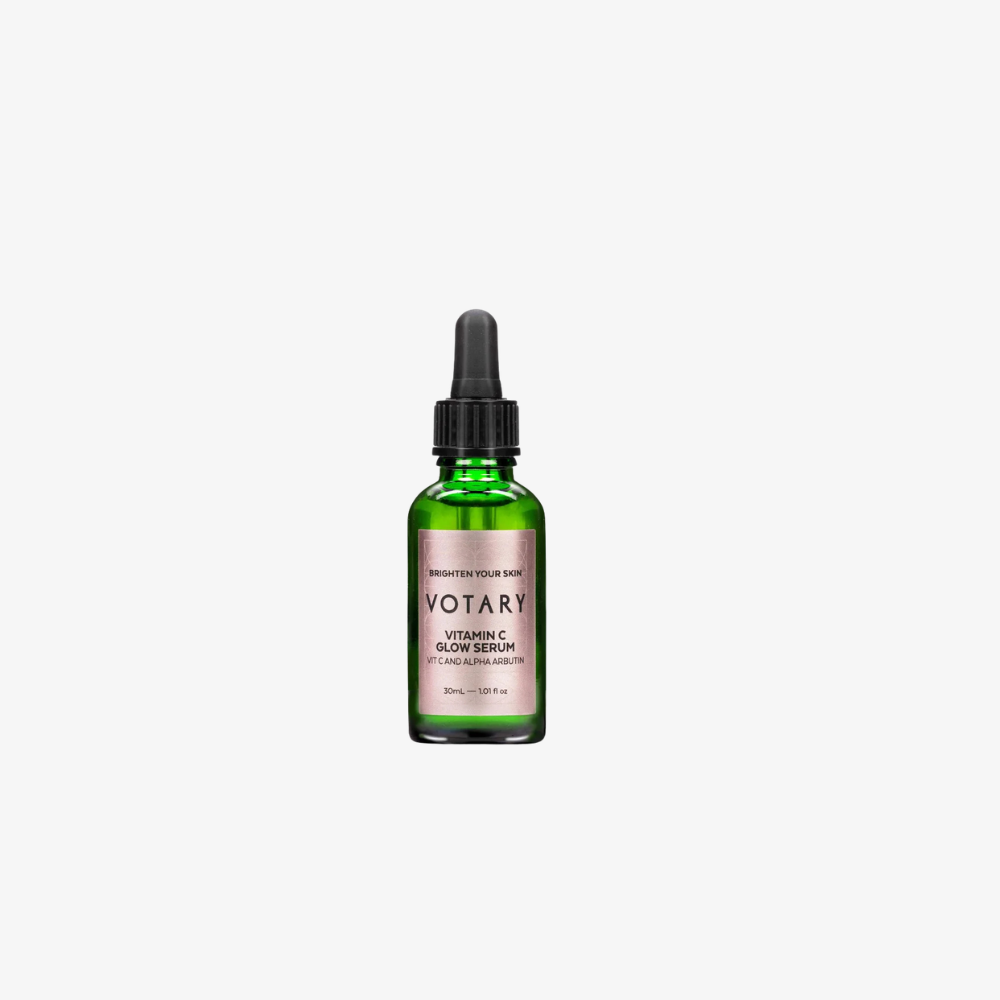
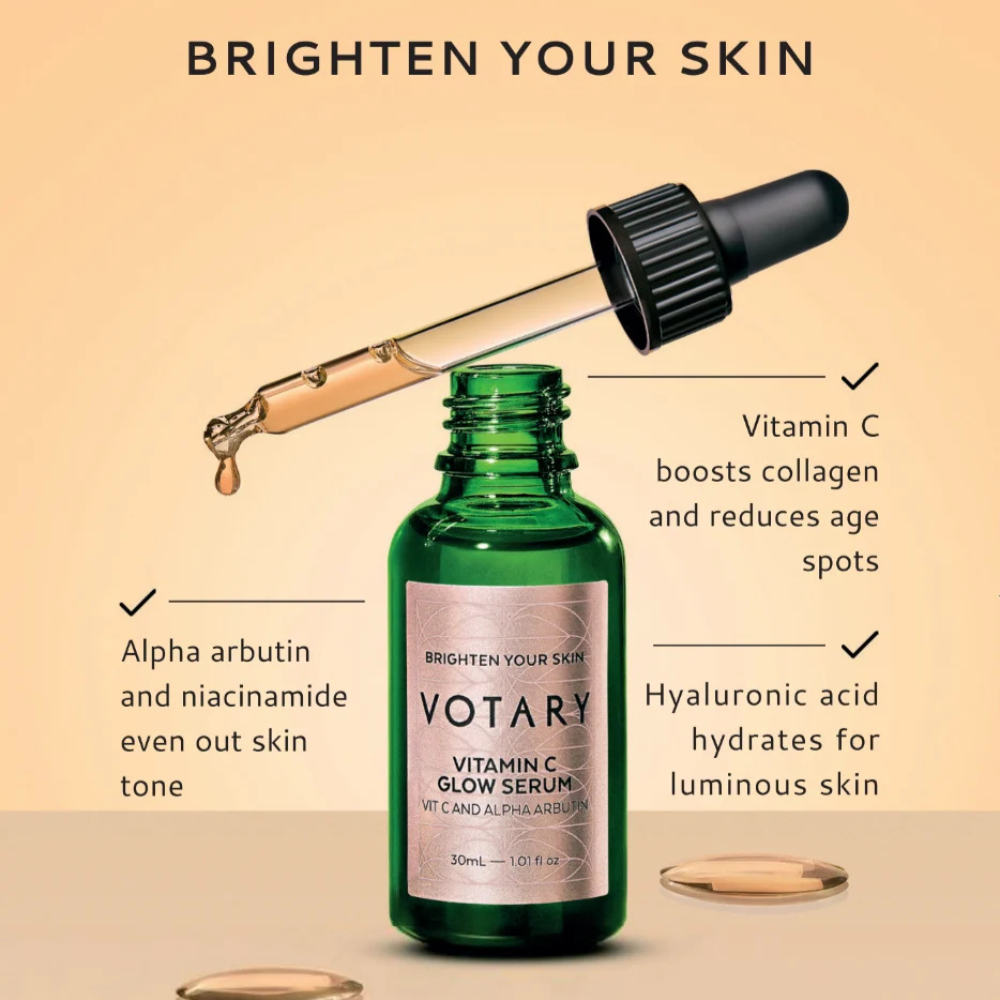
This antioxidant is anti-inflammatory and helps to reduce the appearance of discolouration in the skin. For hyperpigmentation it’s best to look for higher concentrations. Vitamin C also protects the skin from environmental damage which can prevent pigmentation.
Browse ProductsRetinol/Vitamin A
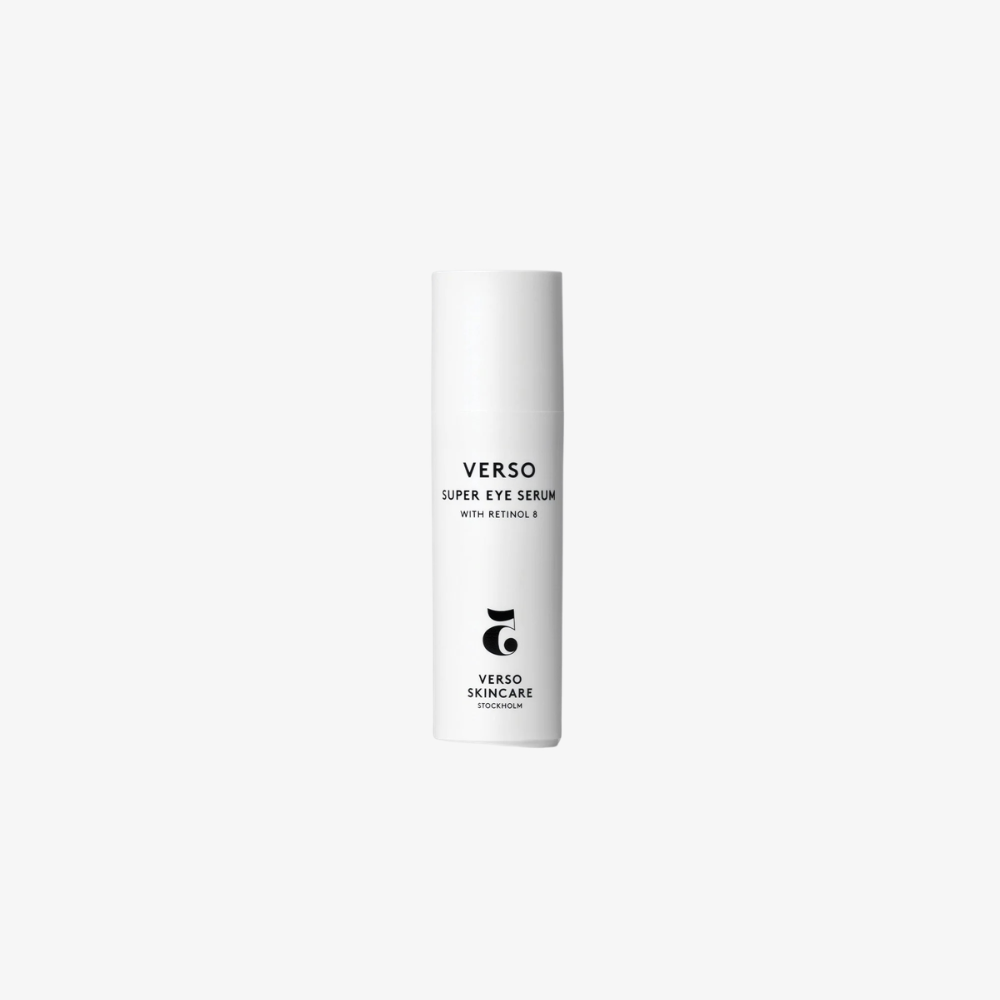
This is most commonly known for its anti-aging properties, however, the increased turnover of skin cells helps to remove the cells with too much melanin from the skin. Use this in the evening on alternating nights to AHAs/BHAs.
Browse ProductsAHAs and BHAs
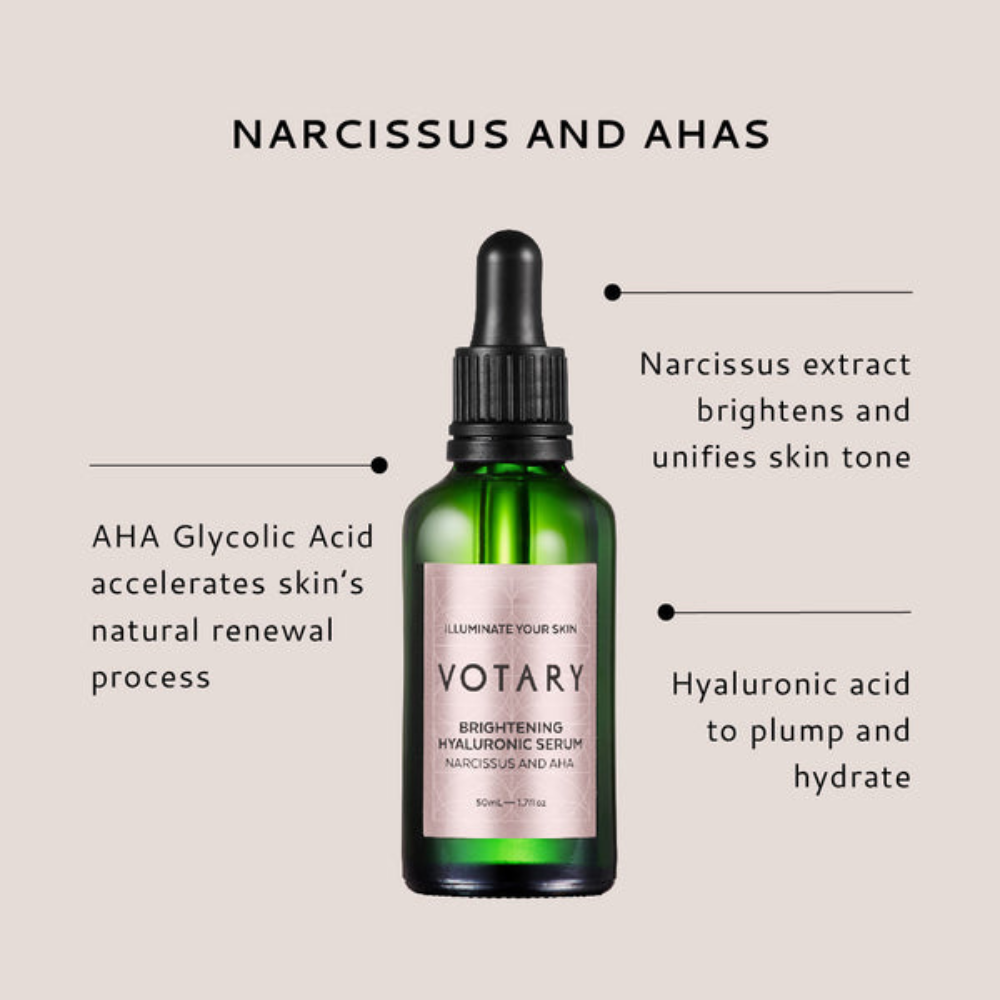
These exfoliants will gently remove the top layer of dead skin cells from your face which will help to speed up the fading process.
Browse ProductsNiacinamide
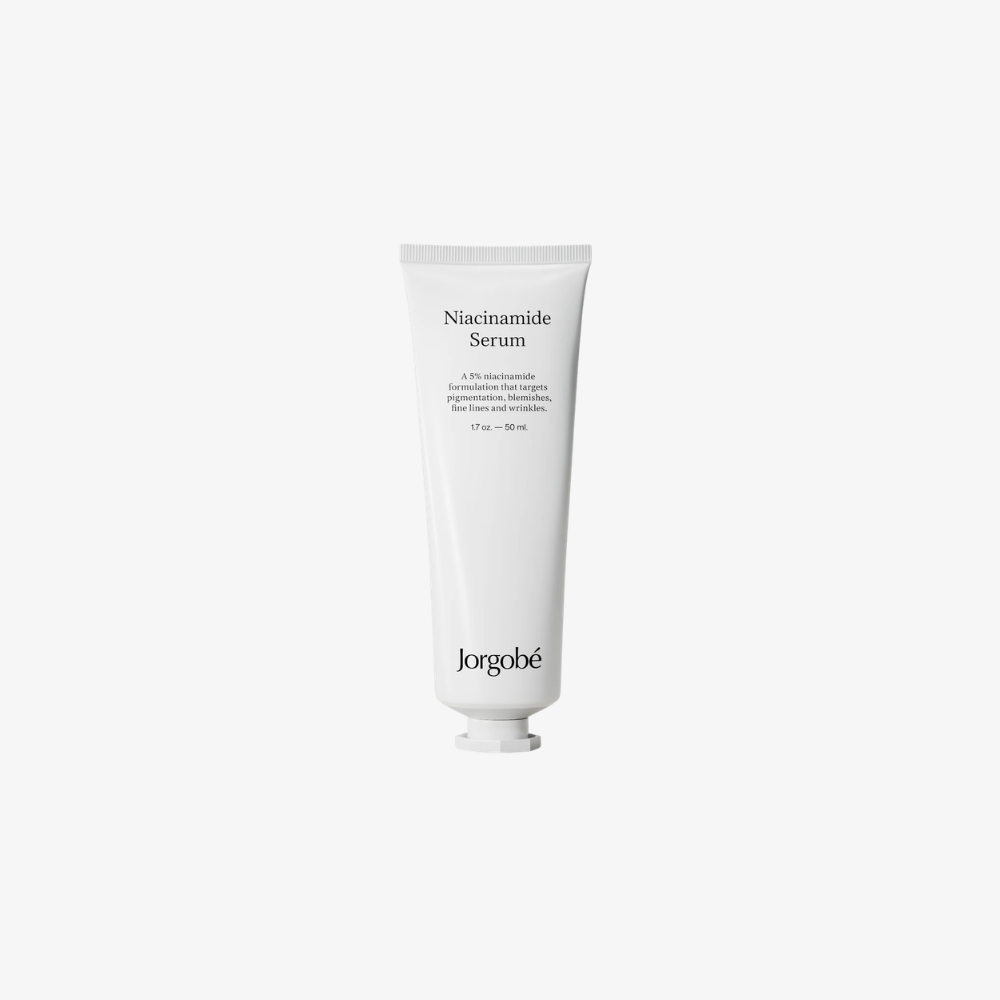
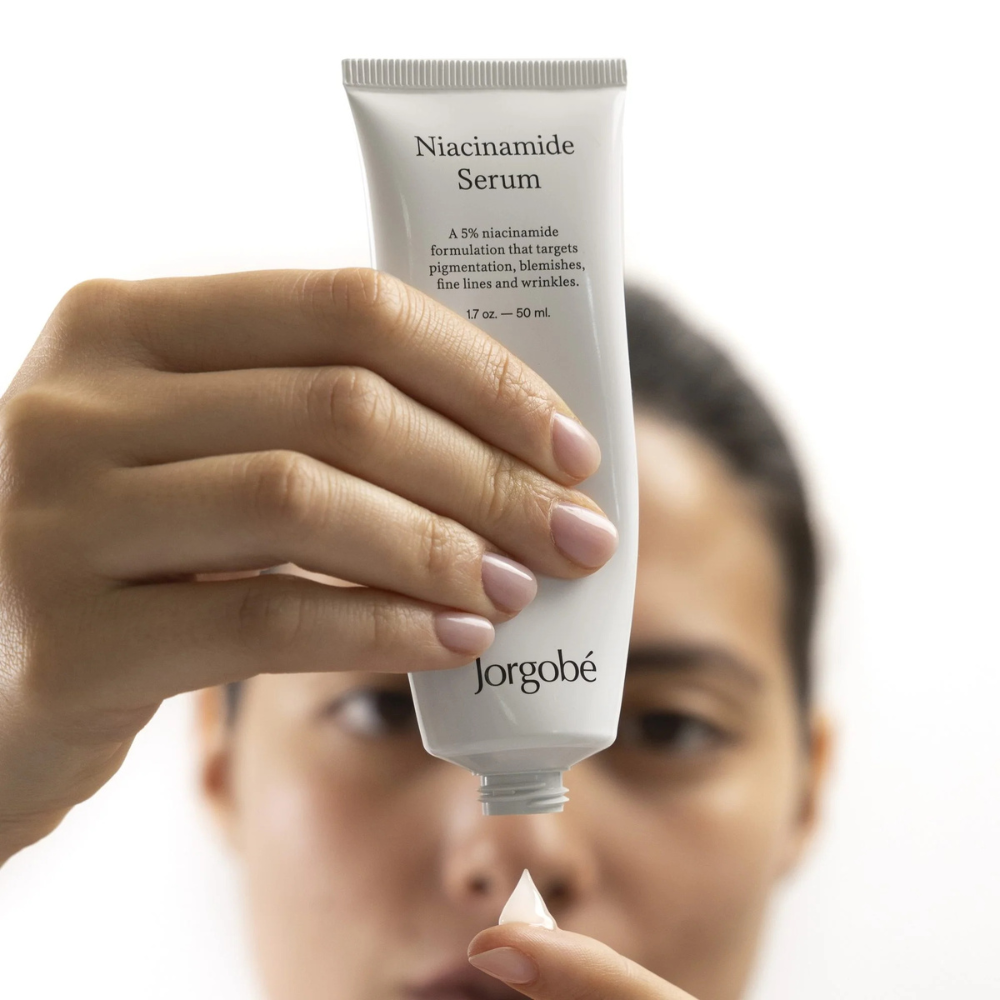
This helps to even out your skin tone and fade the appearance of pigmentation by inhibiting the transfer of melanin to your skin cells.
Browse ProductsLED Light Therapy
Red light therapy will help to fade pigmentation spots as it can speed up the healing process.
Browse ProductsHYPERPIGMENTATION
Bestsellers