
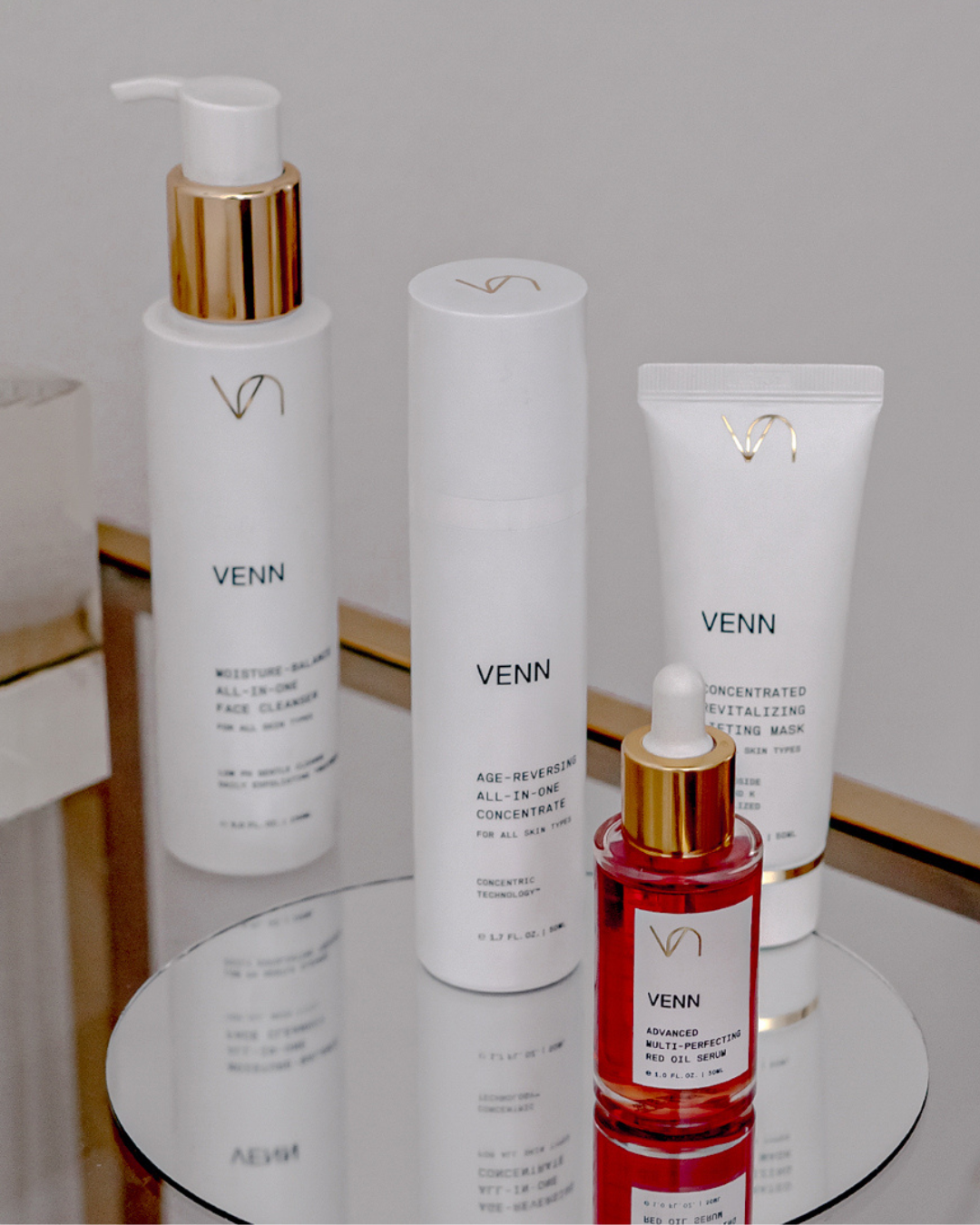

Face oils are one of the most misunderstood skincare products on the market. A lot of people with oily and combination skin actively avoid using them, for all the wrong reasons. The reality is that most face oils will NOT clog your pores. In fact, some can actually help those dealing with acne and oily/combo skin. Face oils are often the best answer to dry skin, especially when richer moisturisers just haven’t been helping. I firmly believe that there’s a face oil for every skin type, you just need to find yours. 'There are so many magical blends of oils to suit all skin types, and carry high powered active essential oils', says Master Facialist Michaella Bolder, 'with properties that offer a huge amount of benefits to the skin including all the "antis" (bacterial, oxidant, inflammatory), effective moisture retention, reducing environmental and sun damage, repairing and strengthening the skin's barrier function which helps to support sensitive skin all in one simple sweep.'
Face oils are a great addition to your autumn and winter skincare routine as oils contain nutrients, including essential fatty acids and antioxidants that help seal your natural moisture to keep the skin hydrated during the cold, dry months. Here, I have a few essential tips for incorporating face oil into your existing skincare routine.

Decoding Face Oils Myths - They Do Work For Oily Skin
For people with oily and combination skin, the last thing they want is to make their face even oilier. That’s why many are understandably apprehensive about trying face oil. What they don’t realize is that the skin will overproduce oil when it’s starved of its own natural sebum. A non-comedogenic facial oil can help balance and nourish the skin without clogging pores or leaving the skin greasy. Rosehip oil in particular is beneficial for oily and blemish prone skin, as it’s able to replenish the Linoleic Acid these skin types often lack.
When to Apply a Facial Oil
There are many ways to add a facial oil into your existing routine. You can use it alone as your moisturizer, add a few drops into your existing crème, or apply it on top of a moisturizer. You want to include oils in the last step of your routine (before SPF and makeup) due to its occlusive properties. An occlusive ingredient creates a seal that locks in hydration and all the products (serum, toner, etc.) layered beneath. “The main benefit of a face oil is its ability to form an occlusive barrier over the skin, allowing active ingredients to penetrate through the skin’s epidermis and reducing transepidermal water loss (TEWL),” says L.A.-based dermatologist Christine Choi Kim, MD. “They can be used before makeup is applied to reduce dry, flaky patches or at bedtime as the last step in your routine to seal in the active skin care ingredients underneath. And face oils are not just for the face—they can be used to smooth your hair, brows, and nail cuticles as well!” Products applied over an oil will mostly just sit on top of the skin, potentially leaving it looking greasy.
Face Oils vs. Serums
Though sometimes marketed as serums, facial oils are in their own unique product category. While serums are traditionally water-based and hydrating, face oils instead feature a blend of oils and emollients to help replenish lipids and balance the skin. Even when labeled a serum, face oils should still be applied in the last step of your skincare routine.
How to Use Face Oils
Oils for Double Cleansing
Oils are not just for moisturizing and balancing. When combined with cleansing ingredients, they’re able to dissolve excess oil and oil-based products on the skin. Oil cleansing involves applying a dedicated oil or balm cleanser to dry skin, then adding water to emulsify. After rinsing, a water-based cleanser like a foam or gel can be applied for an even deeper clean.
Oils For Dry Skin
For those dealing with very dry and chapped skin, adding a facial oil is an absolute must. People seem to believe that they need the richest/heaviest moisturisers to treat dry skin, however at a certain point no moisturiser will be enough. Face oils are able to rapidly nourish the skin without leaving it feeling slick and greasy. Argan and Grapeseed Oils are both considered excellent choices for dry skin.
Oils For Sensitive Skin
Sensitive skin can benefit from skin barrier fortifying and soothing oils such as those derived from Rice Bran and Prickly Pear. Sensitivity is often the result of a compromised skin barrier. Patch test any new oil first.
Oils for Gua Sha
When performing a facial massage with Gua Sha stones, a quality face oil is an absolute must. They allow the stones to glide across the skin without pulling/tugging, while ensuring that the oil is deeply absorbed by the skin. Facial Gua Sha can help reduce the look of puffiness and define the cheekbones and jawline. Kalahari Melon Oil provides excellent slip that allows the Gua Sha stones to perfectly glide across the skin.
The many benefits of oils extend well below the chin. They can also help with the look of ingrown hairs on the body, condition and protect your hair, and act as a buffer to prevent chafing from clothing like hats and scarves. When our face is starved of its natural oil, the same is usually true for the hair and the rest of the body. To add a body oil into your routine, try applying it to damp skin after showering. This allows the oil to form an occlusive barrier on the skin, locking in the hydration beneath. For hair, you also want to apply when damp for better absorption, focusing primarily on the mids to the ends of the hair shaft.
Face Oil FAQs
Do face oils clog pores?
Most do not. Non-comedogenic oils such as rosehip are generally well tolerated by oily and combination skin, but everyone reacts differently, so patch test any new oil first.
When do I apply face oil in my routine?
Use it as the last step of your skincare, after serums and moisturiser. In the morning apply it before SPF and makeup; at night it seals in the products beneath.
Can I use a face oil if I have oily skin?
Yes. Skin that is stripped of its natural oils can produce even more sebum, and a lightweight, non-comedogenic oil can help keep skin feeling balanced and comfortable.
What is the difference between a face oil and a serum?
Serums are usually water-based and hydrating, while face oils are blends of oils and emollients that help replenish lipids and seal in moisture. Even if a face oil is labelled a serum, apply it last.
Which face oil is best for dry or sensitive skin?
Argan and grapeseed oils are popular choices for dry skin, while rice bran and prickly pear are often used for sensitive skin. Choose a fragrance-free formula if your skin reacts easily.
Can I use face oil with a gua sha?
Yes. A few drops of face oil give the gua sha slip so it glides without tugging, and the oil is worked into the skin as you massage.