


We covered peptides in Issue 34. This is a different conversation. GLP-1s gave the word "peptide" a halo, and the wellness industry moved fast. Now, compounds are being promoted for skin, hair, recovery, and longevity, sold in vials online and, in some cases, injected at home. Some of this is legitimate. Some of it is not.
1. A quick reminder: what peptides are
Short chains of amino acids, the building blocks of collagen and elastin, act as signaling molecules, telling cells to build, repair, and regulate. Some are extraordinary medicines: insulin is a peptide, and so are the GLP-1s. Others sit in a very different place: animal studies, theoretical mechanisms, and a lot of online enthusiasm with very little robust human data. The marketing rarely makes that distinction.
2. The injectable gray market
In 2023, the US FDA restricted fourteen peptides over safety concerns. A partial reversal is being discussed, which has driven demand higher. The most-marketed names: BPC-157, GHK-Cu, Melanotan II, Epitalon, KPV.
- Human evidence is thin across all of them, mostly rodent studies or decades-old, small-scale research.
- All are available online via a "research use only" loophole designed for laboratories, not consumers.
- What is in those vials is unverified , no sterility, no purity testing, no quality control. You are trusting an anonymous vendor with something going under your skin.
3. The one to flag most clearly: Melanotan II
Sold online for tanning, self-injected. The MHRA and British Association of Dermatologists have warned against it since 2009, with documented case reports linking it to changing moles and, in some cases, melanoma. You are systemically driving melanocyte activity, the same pathway as UV, with none of the external signals your body is designed to manage. The risk is documented. If anyone you know is using it, share this.
4. What topical peptides actually do
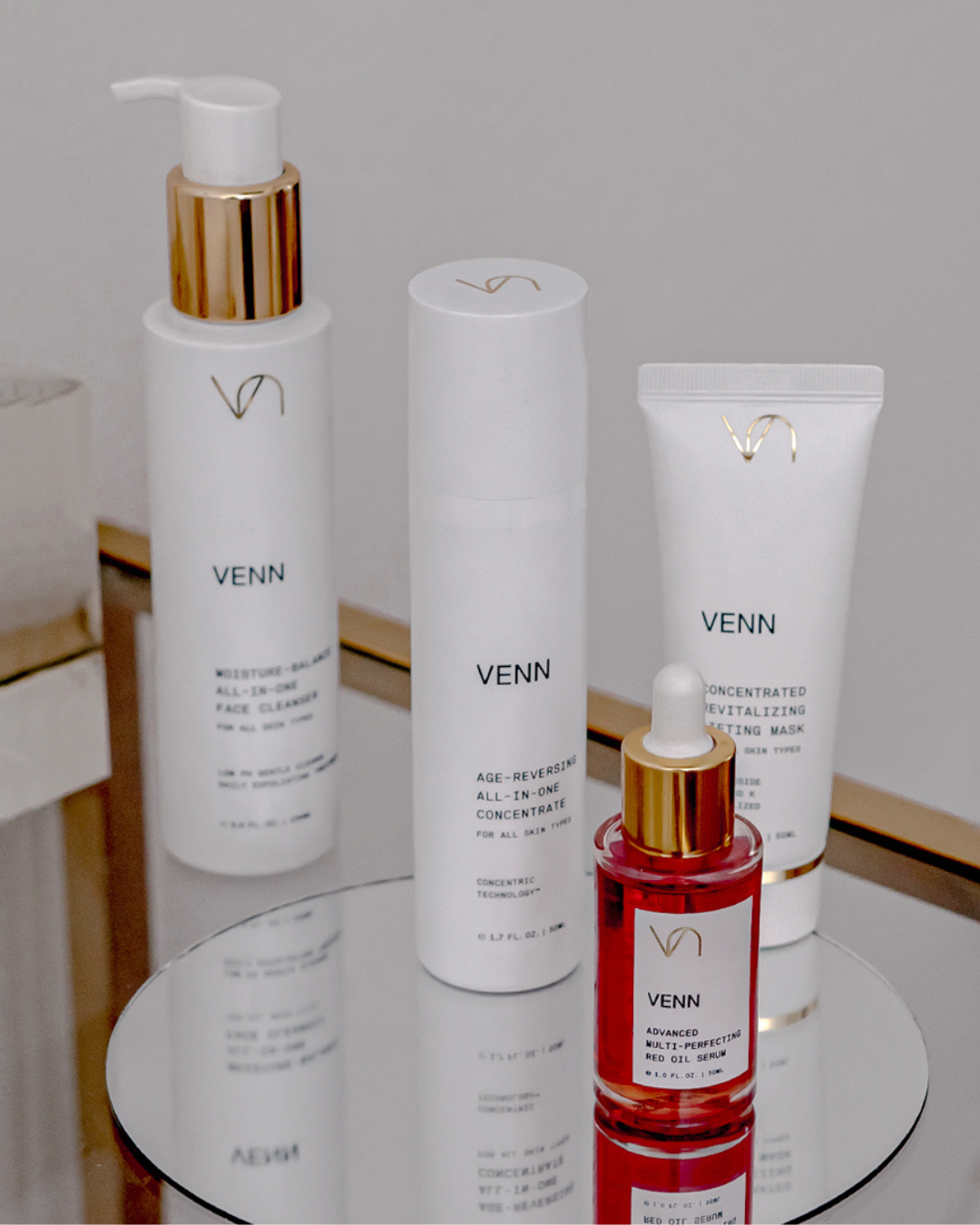
This is the part worth trusting. Signal peptides (Matrixyl, Argireline) and copper peptides (GHK-Cu) have a genuine evidence base:
- Support collagen and elastin synthesis via fibroblast communication.
- Strengthen the skin barrier and aid overnight repair.
- Well-tolerated by all skin types, including sensitive.
No gray market, no purity concerns. Consistent, quiet work on the structure of your skin over time.
.
How Skindays Can Help
On a personal note...
My filter for most decisions I make about my body is: do I understand this well enough?
With topical peptides, the answer is yes. Small molecules that signal your skin to build, repair, and regulate. The science is clear, the evidence is there, and they are a fixture in my routine. I think they are genuinely one of the better things you can have in your skincare, and that is not something I say lightly.
The injectable side is where I personally step back. Not because I am against optimizing for health. I am genuinely interested in that. But when something sits in a gray zone, when the evidence is thin, the side effects are not well understood, and some compounds carry documented links to cancer, I am not comfortable. That is not me being cautious for the sake of it. It is me not understanding it well enough to proceed.
For me, it comes down to doing things I understand. Topical peptides, I understand, and I think they are worth using. The gray-market side is just not where I am at yet.
xx,
Diana
.