
The skin barrier, often referred to as the moisture barrier, is a crucial element in maintaining healthy-looking, comfortable skin. “The skin barrier refers to the outermost layer of skin, which is also called the stratum corneum. This is the first layer of defense that provides protection to the deeper layers of your skin,” says New York City–based dermatologist Lauren Penzi. This protective layer helps shield our skin from external aggressors, such as pollutants and bacteria, while helping to retain moisture. When the barrier is in good shape, skin looks and feels comfortable. When it’s compromised—through over-exfoliation, for example—it can lead to issues like irritation, breakouts and chronic dryness. If you think your barrier is compromised, there are sensible steps you can take to support it, and the right routine can help skin feel more comfortable again.
Understanding the Skin Barrier - What is the skin barrier?
The skin barrier is composed of lipids, natural oils and cells that create a protective shield. It can be disrupted by over-exfoliation, harsh skincare products, environmental factors, or simply as a result of ageing. Signs of a compromised barrier often include redness, dry patches, irritation and increased sensitivity.
Determine whether your skin barrier is damaged
Frequently, dryness, redness or irritation is a clear indicator of a compromised skin barrier, according to dermatologist Lindsey Zubritsky, based in Pennsylvania. She points out that you might notice stinging, burning or increased sensitivity when applying products. She adds that other signs could include breakouts or a flare-up of existing skin conditions like eczema or rosacea. If you have a skin condition, speak to your GP or dermatologist.
Common external causes of a damaged skin barrier range from our basic routine to environmental factors, such as:
1. Overwashing
Overexposure to water and a harsh cleanser can strip away the natural lipids on our skin. Instead of just removing dirt and impurities, it can disrupt the skin's first protective layer.
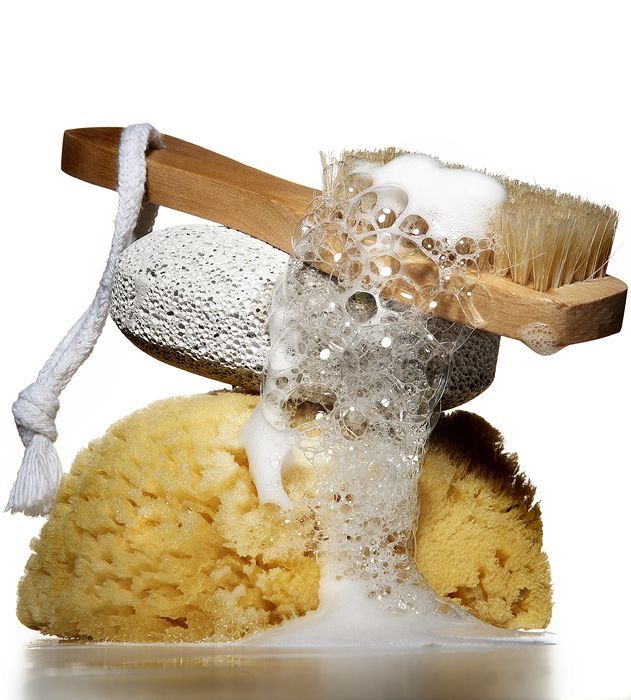
2. Over-exfoliating
With more varieties of exfoliating products on the market and the tendency towards instant gratification in skincare, over-exfoliating is increasingly common. When you over-exfoliate, you’re not only removing unwanted dead skin cells from the top layer but also disrupting the skin barrier that is there to protect you in the first place. Always be mindful when using exfoliating products and look out for any changes in your skin; stop when needed.
3. Pollution, bad or dry air quality
Research has shown that pollution and dry air can affect our skin barrier. It is common for people to experience sensitive and itchy skin when the air quality is poor. It is best to limit outdoor activities during high pollution, wear protective clothing outdoors and consider an air purifier in your living space. This won’t only benefit your skin but your general health too.
4. Stress and lack of sleep
Have you ever had a “bad skin” day when you lack rest and sleep? Research suggests that lack of sleep can affect your skin barrier and lead to increased transepidermal water loss. Get more rest and look after your skin barrier!
How to Support Your Skin Barrier:
When focusing on your skin's barrier, prevention is key. Here are some guidelines to help look after it:
- Gentle Cleansing: Begin by choosing a gentle, pH-balanced cleanser. Look for products that don’t leave skin feeling stripped. Opt for cream-based or hydrating cleansers that clean without causing further disruption.
- Hydration and Moisture: Hydration is key. Consider products containing hyaluronic acid, glycerin or ceramides, which are used to help replenish moisture and support the skin's natural defences. Look for a hydrating serum or a lightweight moisturiser that suits your skin type.
- Avoid Harsh Ingredients: Minimise the use of products containing alcohol, artificial fragrances and aggressive exfoliants, as these can further irritate the skin. Opt for products that are fragrance-free and formulated for sensitive skin.
- Incorporate Barrier-Supporting Ingredients: Seek out products that contain ingredients commonly used to support the skin barrier, such as niacinamide, panthenol (provitamin B5), squalane and peptides.
- Sun Protection: Always apply sunscreen as part of your skincare routine. Protecting your skin from UV rays is important while your skin is looking after itself.
Shop Skin Barrier Products


How Long Does it Take to Support the Skin Barrier?
Looking after the skin barrier is a gradual process. The time it takes to notice a difference varies from person to person and depends on how irritated skin is. It might take a few days to a few weeks of consistent, gentle care before skin feels more comfortable.
What is the Fastest Way to Support the Skin Barrier?
There is no overnight fix. The quickest route is a gentle, simple routine: avoid harsh products, choose barrier-supporting ingredients, and stay consistent.
Signs of a Damaged Skin Barrier
Signs may include redness, dryness, tightness, increased sensitivity, or skin that struggles to hold on to moisture. If your skin feels irritated or looks inflamed, your barrier may be compromised.
How Can I Tell If My Skin Barrier Is Recovering?
As your skin settles, you might notice less redness, less tightness and more comfortable, hydrated-looking skin. It should feel more balanced and less reactive to environmental stressors.
Remember, consistency is key. Always patch test new products and consult a dermatologist if you have persistent skin concerns.
By following these steps and using suitable products vetted by Skindays, you can help your skin look and feel healthier and more radiant.