

Last issue, I covered the products. This week: what I actually did to my body. All of it.
I went in with a plan. Weeks of research before arriving: reading studies, mapping clinics, understanding which treatments were available in Korea that simply do not exist at the same level anywhere else. Seoul is not just a product destination. For anyone who knows where to look, it is one of the best places in the world to get serious work done on your skin.
The Scalp Treatment
I started with a 12-step scalp treatment at one of Seoul's oldest and most respected hair salons. It treats the scalp as skin, which, if you follow us, you know, is the right approach. Deep cleansing, follicle exfoliation, circulation stimulation, targeted serums, barrier restoration. Each step has a function. I left with a scalp that felt genuinely different. Lighter. More oxygenated.
The scalp is one of the most neglected areas in most Western skincare routines. Seoul does not make that mistake.

The Body Scrub
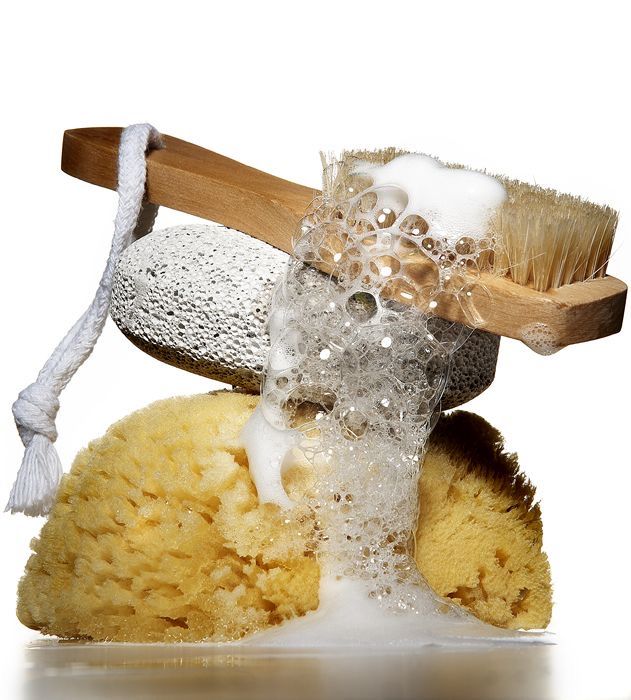
A Korean towel scrub: the real version. A trained aesthetician exfoliates your entire body using a rough mitt, removing layers of dead skin in a way no at-home product can replicate. The skin underneath is revealed, not just cleaned. The texture and luminosity last for days. Non-negotiable for anyone visiting Seoul.

The Clinic
The facial treatment side took considerably more planning. I knew I wanted to focus on polynucleotides: specifically, PDRN, derived from salmon DNA. One of the most compelling regenerative ingredients in aesthetic medicine right now, and Korea is significantly ahead of most markets in the quality of formulations and the experience of practitioners administering them.
PDRN works by stimulating tissue repair at a cellular level: activating growth factor receptors, encouraging collagen synthesis, and accelerating the skin's own regenerative processes. It is not a filler. It is not a neurotoxin. It is biostimulation.
After weeks of research, I found a clinic with a single dermatologist who I was told was exceptional. I spent over an hour and a half with her: genuinely talking about my skin, its history, what I wanted to address, and what was realistic. She looked at everything under magnification. She asked questions I had not been asked before. It was diagnostic in a way that clinical consultations rarely are.
What I Had Done
The Lhala Peel: A precision chemical peel that dissolves the outermost layer of dead skin cells and accelerates cellular turnover. No dramatic peeling, no downtime. It clears the surface so everything that follows can penetrate properly. Texture improved noticeably in the days after.
Rejuran 4cc: Salmon-derived PDRN injected directly into the dermis across the full face. A numbing cream was applied for a full hour beforehand. Not entirely comfortable, but the practitioners were precise and transparent at every stage. Over four to eight weeks, it stimulates fibroblast activity, increases collagen density, and improves the skin's moisture capacity. You are not changing the surface. You are improving the tissue beneath it. Small papules resolve within 24-48 hours. Plan your recovery days better than I did.
Treatments I Researched and Would Recommend
Genesis Laser: Non-ablative, no downtime. Gently heats the upper dermis to stimulate collagen. Improves tone, pore appearance, and fine lines over a course of treatments.
Pico Laser: Ultra-short pulse laser targeting pigmentation and uneven skin tone with minimal thermal damage to surrounding tissue. Best-in-class for pigmentation concerns.
Sofwave: Focused ultrasound thermal tightening at a precise depth. No downtime. Results build over months as new collagen forms. The non-invasive laxity treatment I would look at most seriously.
Stem Cell Therapy: Growth factors derived from stem cells to stimulate the skin's repair mechanisms. The science is compelling and the quality of formulations in Korea is ahead of most Western markets. On the list for the next trip.

On a personal note...
I went to Seoul for the treatments. I came back understanding something I had felt but never quite articulated: that none of it is about being more “beautiful” or looking “younger”. Not the peel, not the Rejuran, not the scrub, not the scalp work. It was all about skin health. About giving my skin what it needs to function better, repair better, and age better. There may be a positive spillover effect on how your skin looks over time, and that is nothing but it is not the point, and it was never the point.
This is what I love most about the Korean approach. Skin health is the starting point. The goal is not to change what you look like. It is to make your skin more capable: more resilient, more regenerative, more itself. That philosophy runs through everything, from the pharmacy shelves to the clinic table. It is why I keep going back.
I also want to say something about the care. The service at the clinic was exceptional. There was a language barrier, but they had everything in place to support you through every step. While I waited for the numbing cream to take effect, in a private room, they set me up with an IV drip of glutamine. They thought of everything. Being made to feel safe, comfortable, and genuinely looked after is not a small thing when you are having real treatments done. It made a real difference.
The price-to-quality ratio, for all of it, is unlike anything I have experienced in London or elsewhere in Europe. Seoul for treatments. I am now recommending it as confidently as I recommend it for products. More to come.
xx,
Diana